 RSS
RSS

Food and Beverage Manufacturing Top Stories

Fermentation
Getting Consistent Results from Fermentation
If you don’t measure it, you can’t control it, so having the right data means a great, consistent batch every time.
Read More

Engineering R&D
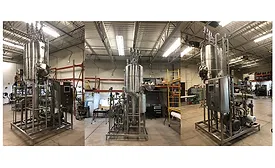
Novel Pasteurization Technique Extends Shelf Life of Milk
Not to be confused with UHT and HTST pasteurization techniques, MST combines the effects of a temperature spike with a drop in pressure to accomplish pasteurization in milliseconds
Read More


Field Reports
Robots aid Expansion of New Zealand Apple Company
Rockit Global uses MHM Automation’s tube-filling machines in its state-of-the-art apple packhouse
Read More


A Fresh Look at Produce Safety
Produce safety still relies on three basic concepts: Keep it clean, keep it cold and move it quickly
Read More

Managing Pet Food Ingredients
From standards to testing to certificates of analysis, the ingredients in pet food must be managed to the same standard as human food
Read More

Food Processing
The Automation of Alternative Protein
Processors turn to automation to provide next-generation, smart factory solutions
Read More


2021 Top 100, Exclusively Sponsored by CRB
The 2021 Top 100 Food and Beverage Companies
PepsiCo takes over top spot, Top 10 sees a reshuffling
Read More
