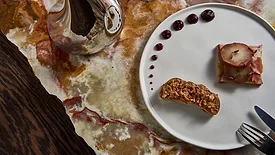
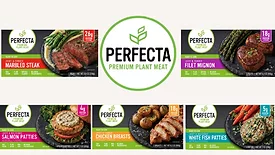
Perfecta spans multiple protein analog categories and designed to address the primary barriers limiting plant-based category expansion, namely taste, texture and the experience of eating a whole cut of meat.
By combining Debut’s technology with Oterra’s formulation expertise, the companies aim to produce natural color solutions spanning orange, red and violet, offering a full range of stable shades to food and beverage manufacturers.
3D printing, while serving roles in package design, tools and spare parts, is finding applications for creating unique foods that aren’t practical for conventional methods.
Additive manufacturing can describe two technologies in food production — the more commonly known is 3D printing, which has been borrowed from 3D tool and parts making, but robotic work cells can also fit the definition of additive manufacturing.
AuX Labs will use the new to ramp manufacturing, expand the team and support foodservice and consumer partnerships centered on high-performance applications.
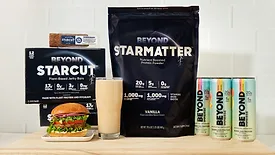
The company expands its Clean Label Project Certified portfolio to include Beyond Steak Filet, Beyond Ground Original and Beyond Immerse protein drinks in Peach Mango, Orange Tangerine and Lemon Lime.
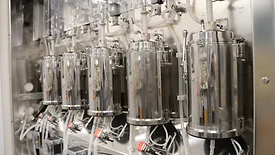
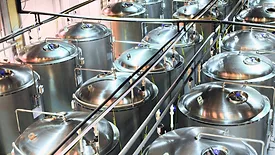
Through precision fermentation, engineered microbial “cell factories” can generate specific proteins that can serve as next-generation food ingredients.
Fermentation has evolved into precision fermentation, utilizing biotechnology to engineer microorganisms that produce high-value food ingredients. These "cell factories" create proteins and compounds, enhancing quality and reducing environmental impact.
Evergreen says its new identity formalizes a strategy that shifts cultivated meat from a consumer curiosity to a dependable infrastructure solution that strengthens the existing beef supply chain.