In the AI world, the latest buzzword is “agentic AI,” which replaces — rather than augments — human decision making, but the data AI needs to make such a decision may not yet exist in many facilities.
To make good decisions, people, automation and AI systems need quality data — but to let an AI agent make an autonomous decision without input from operators and key decision makers means a processor needs to have lots of accurate data based on real and known sensory inputs, which may not exist in many plants and enterprises.
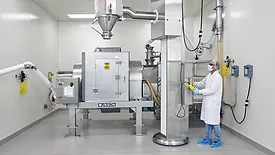
Dust in the food and beverage industry is much more than a housekeeping nuisance — it’s directly tied to food safety, product quality, worker safety and regulatory compliance.
Make packaging sustainable by removing plastic and PFAS and replacing them with sustainable paperboard and barrier coatings that are easily recyclable and compostable.
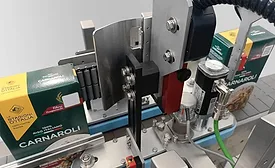
Starting with a clean slate to build your packaging line may be easier than incrementally adding automation, but you must know your products intimately and define your wants and needs of the line — and in the future.
Regulatory bodies say you need to monitor temperature in your cold storage facilities and leave a lot of leeway in how and when to do it. Fortunately, the most rudimentary capabilities of today’s wireless temperature devices and data collection systems more than meet regulatory demands.
Achieving a high OEE score has been elusive in the past as processors grapple with where to begin in troubleshooting OEE issues. The future of OEE, with the help of AI technology, will help manufacturers find the most miniscule of line problems and be on top of their game.
Today’s filling machines can achieve extremely accurate and precise fills, and real-time monitoring and maintenance prevent wasteful overfills, underfills, and sporadic and inaccurate fills.
Food safety and quality management systems are a necessity for getting audits together for unannounced food safety inspections, and suppliers of these systems have seen the need to expand coverage to include functionality handled by other software systems. Working together in concert, they save processors repetitive, manual input operations.
Today’s vision systems are more powerful than their earlier counterparts, and many processors choose to use vision, X-ray and metal detection systems to meet regulatory demands and ensure quality.
Upgrading older vision systems often means an upgrade in control systems as well to get the most out of inspection systems, which now employ AI to make snap quality judgments that humans can’t do time after time.
Glyphosate as an ingredient in Roundup has been a liability for Monsanto/Bayer in cancer lawsuits, yet EPA, FDA and international governing bodies claim that very low-level food residues are safe. A new 2025 study questions the safety of glyphosate at any level.